Tour Our Course
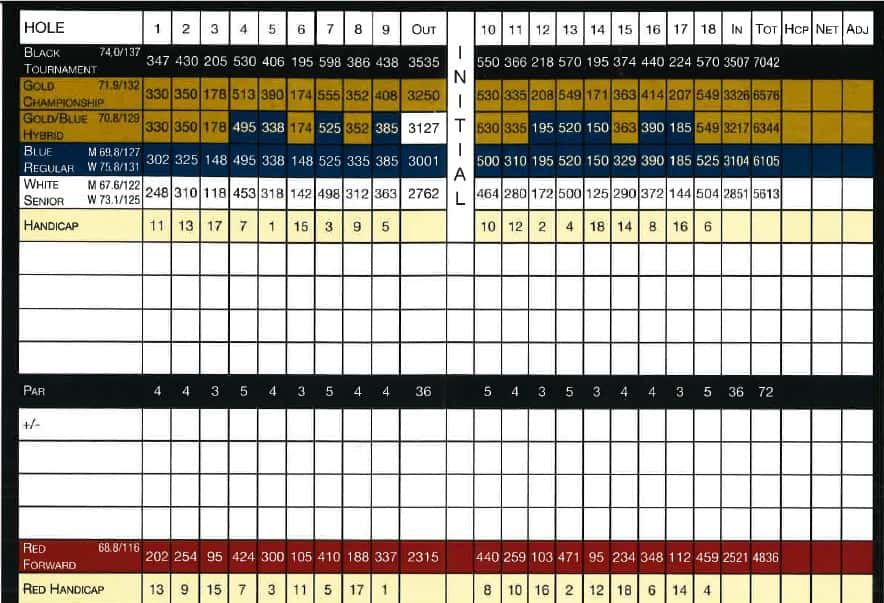
Prairie Landing Golf Club’s Score Card, Golf Hole Yardage, and Practice Facilities
Practice Facilities
In addition to a fabulous 18-hole golf course, Prairie Landing is also home to one of the best practice facilities in the area. Featuring a multitarget, grass and artificial tee driving range with stretching apparatus, yardages, and convenient automated range ball dispensing machine. Complementing the driving range are two regulation par-4 practice holes, large practice putting green and short game practice area.
Yardage Book
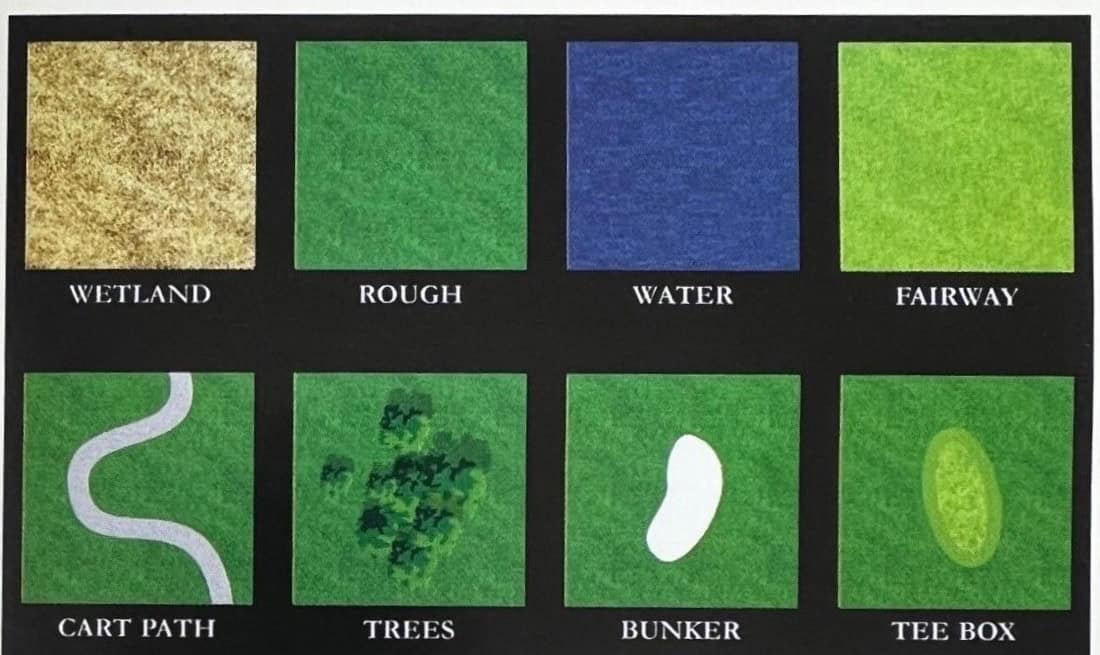
Before you start your next round of golf, take a moment to look through this yardage book. Pay attention to the hazards, playing tips, and basic yardage information to help yourself get a feel for the course. When you go to play each hole, review the playing tip for helpful hints. Look for landmarks like bunkers or curves in the fairway to align your shots with reference that carry yardages measurements as a tool to help you decide which clubs will be best to use. As you play the hole, you can make notes on the pages of this book for yourself. Next time you come to play our course, you will have a personalized guide to playing your best!
Yardage are measured to the center of the green.
125 barber pole = 125 yards to the center of the green
Out of bounds are defined by the back of curbing along entrance road, all fences, and all parking lots.
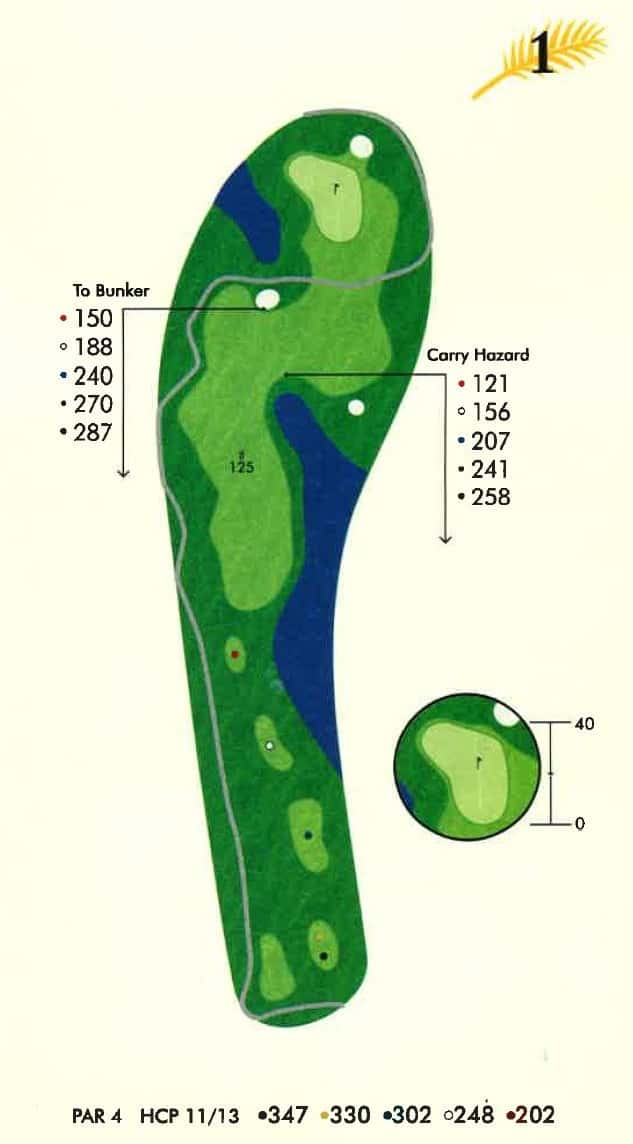
Hole #1
A demanding driving hole awaits the golfer who steps onto the first tee at Prairie Landing. A gambling drive to the right fairway, safely negotiating a meandering stream and two bunkers, may possibly reach the green. However, if the wind is up, a smart play to the sloping left fairway will leave a shot iron to a relatively large green sets the tone for the shot options and strategy which are an integral part of our design philosophy.
Hole #2
Hole #3
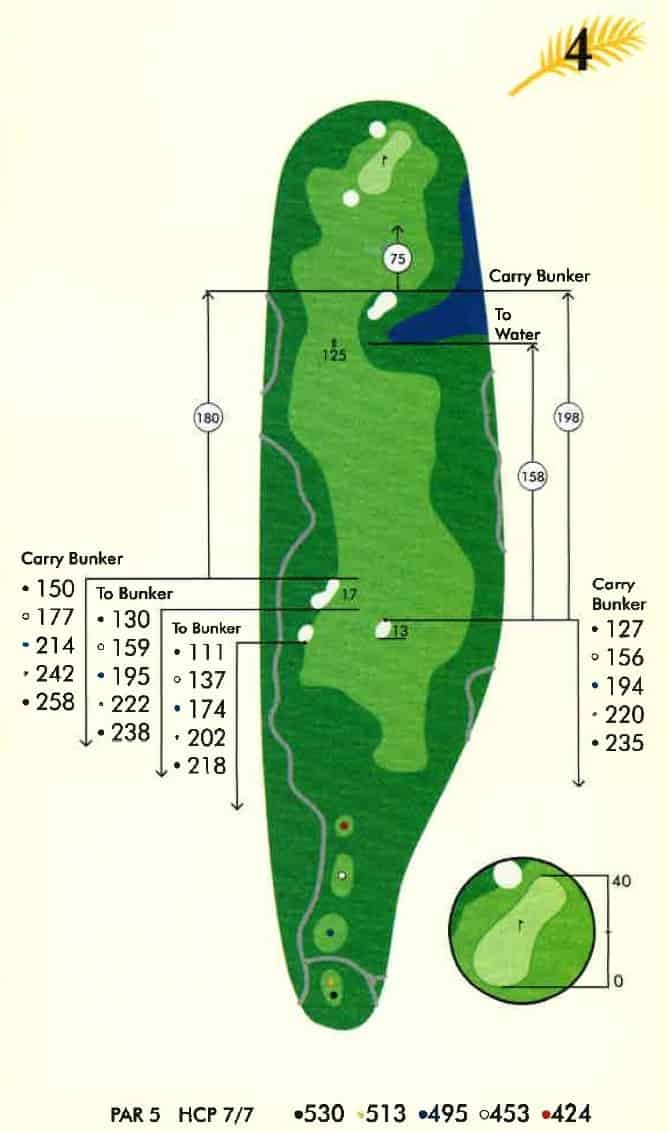
Hole #4
Hole #5
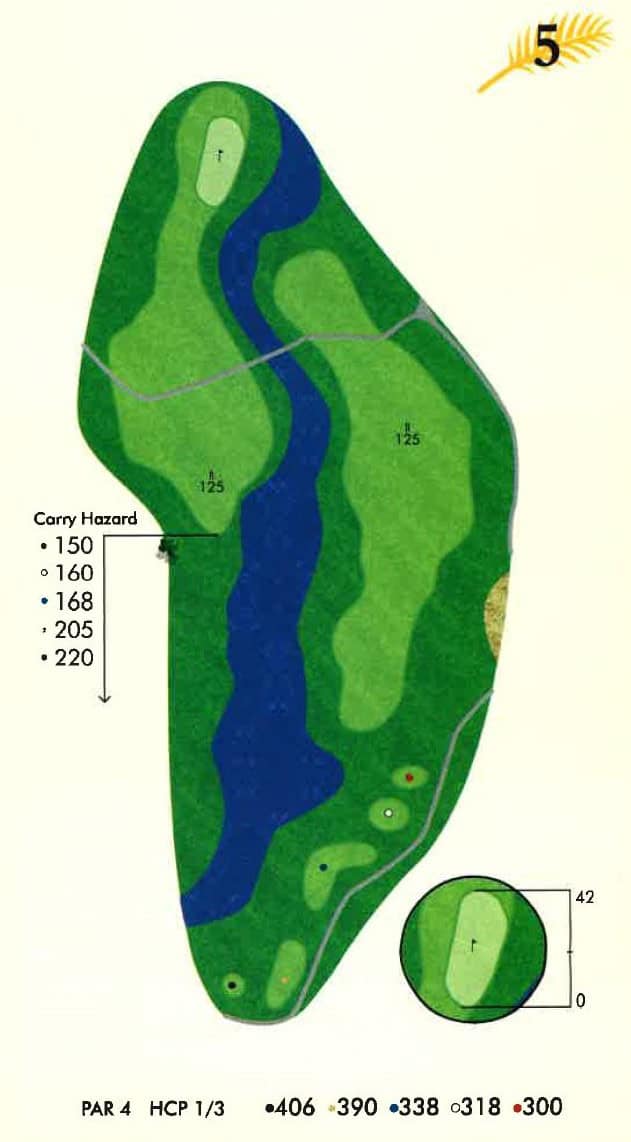
An intimidating par 4 offers conservative play to the right portion of the fairway, where the receptive landing area will serve to gather tee shots. The next shot must carry water, wetland vegetation, and the greenside bunker to the narrow portion of the green. A successful drive to the left fairway, guarded by a carry bunker, will reap great rewards, as the drive could roll to within 70 yards of the open entry to the green. One of the smallest putting surfaces on the course allows no gimmies. Par is well-earned here.
Hole #6
Hole #7
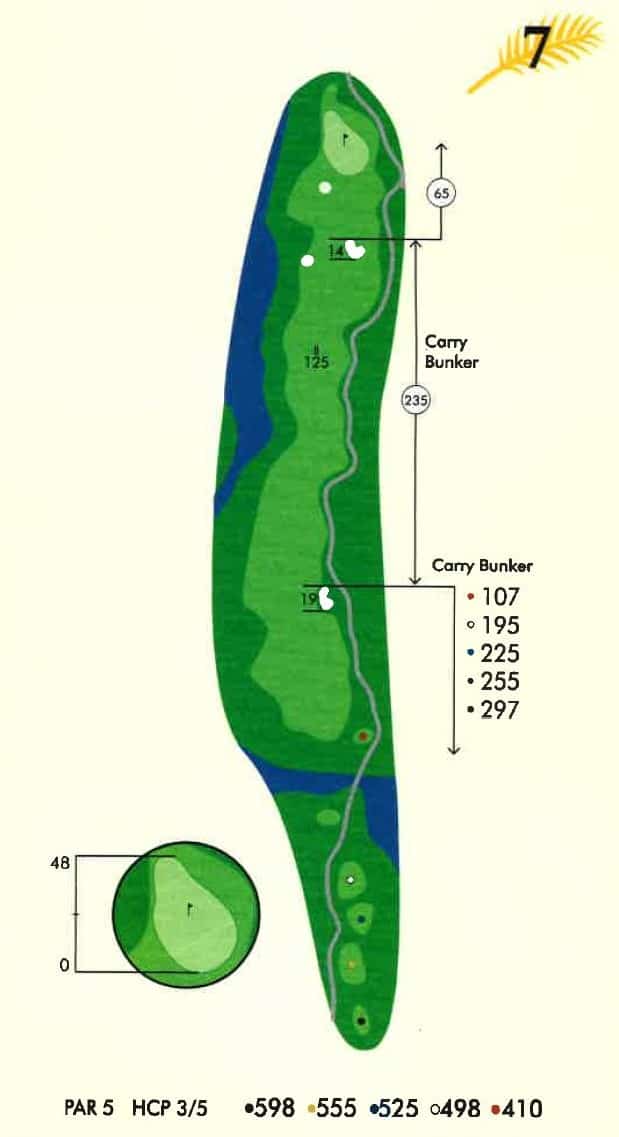
Playing into prevailing wind, this hole is the longest. A slight dogleg right, guarded on the entire left side by a marshy stream twelve to eighteen feet below, this roller coaster fairway is very generous. The green sits on a perch, high above the stream. Swales and sweeps in the putting surface requires a good read prior to putting.
Hole #8
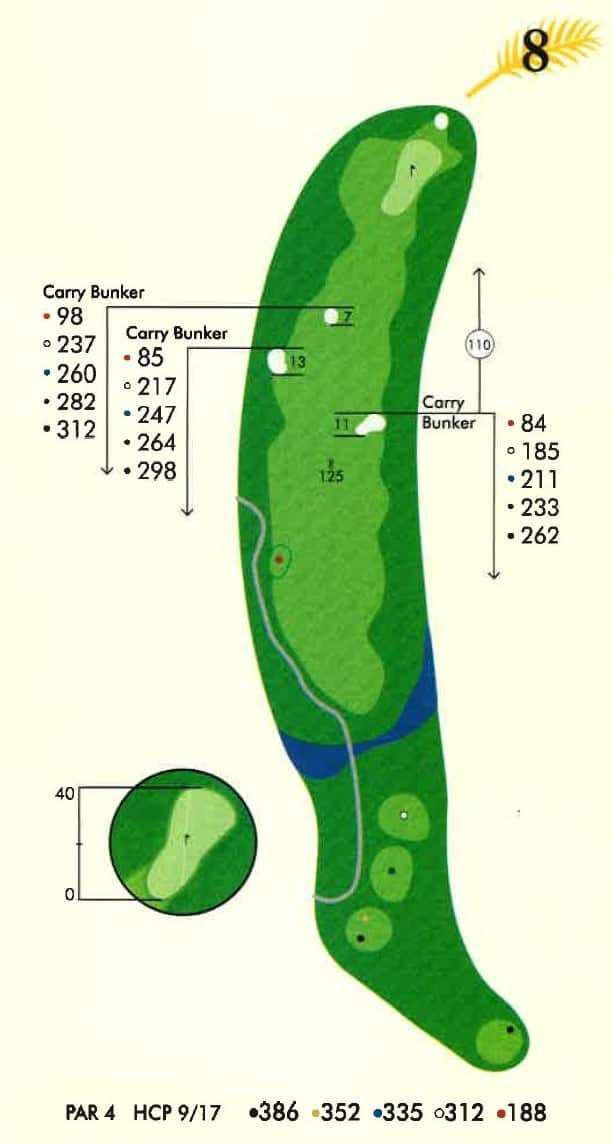
Elevated tees create an attractive vantage point to plan the tee shot. A driver may not be the choice here. Target the bunker beyond the center of the fairway. The temptation to shorten the distance of this hole should be resisted. Play left of the right-side bunker leaving a full short iron to the intricately contoured green.
Hole #9
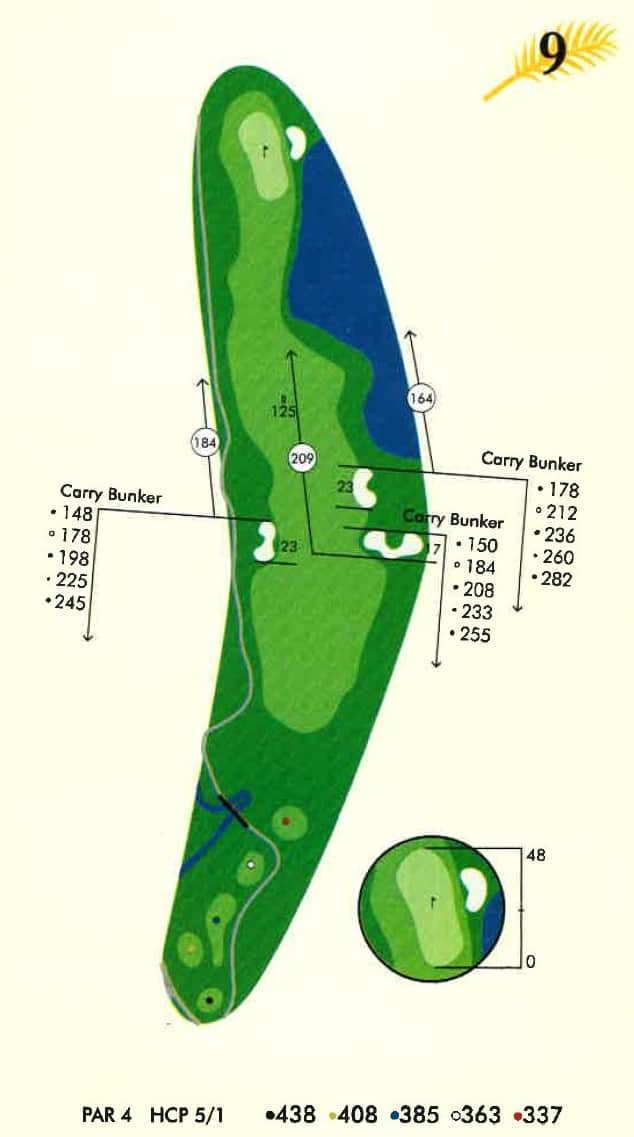
A strong finish to the front nine, the slight dogleg left, requires accuracy from tee to green. Guarded by fescue covered mounds, large bunkering and a lake, the ball should be positioned on the left-hand side of the fairway. A long, narrow green awaits low trajectory shots that can run up into various hole locations. Large mounds, the clubhouse, and the lake guarding both the ninth and eighteenth greens, provide a dramatic backdrop to this pivotal hole.
Hole #10
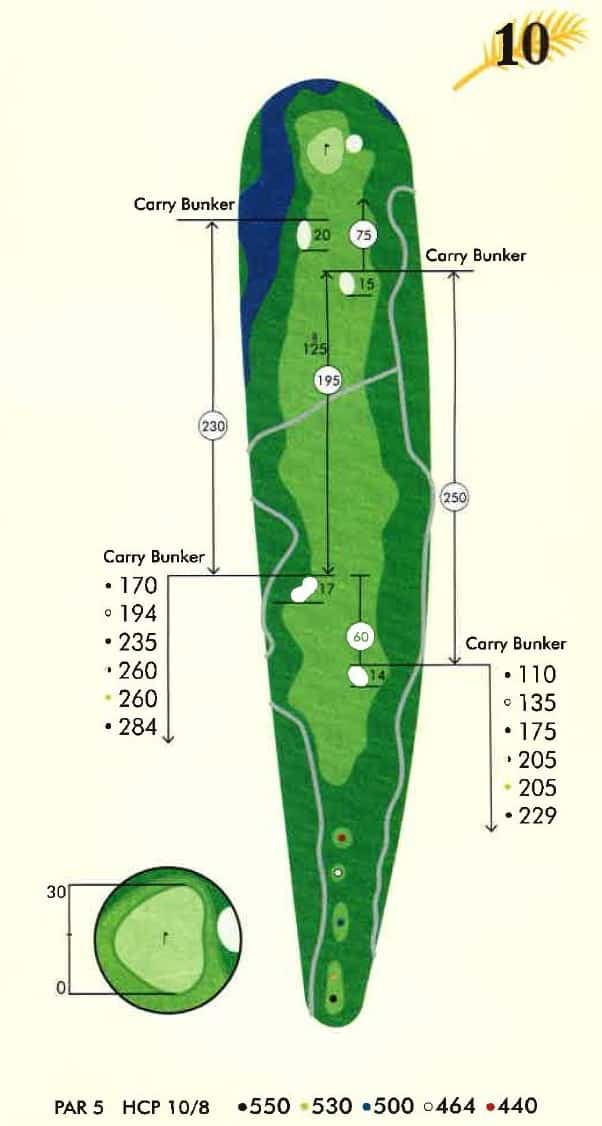
The first of the three par 5’s on the back side, the tenth requires shots often regarded as the toughest in golf: straight, straight, and straight again. Although the fairway is enormous in width, the slopes and bowl-like features will make correct positioning in the fairway important. Trees, bunkers and fescue-covered mounds frame the tee shot. The meandering stream lurks nearby to the left. The multilevel putting surface can create havoc with most putts. Look backwards on this hole from the green and you will wonder why any trouble can be found.
Hole #11
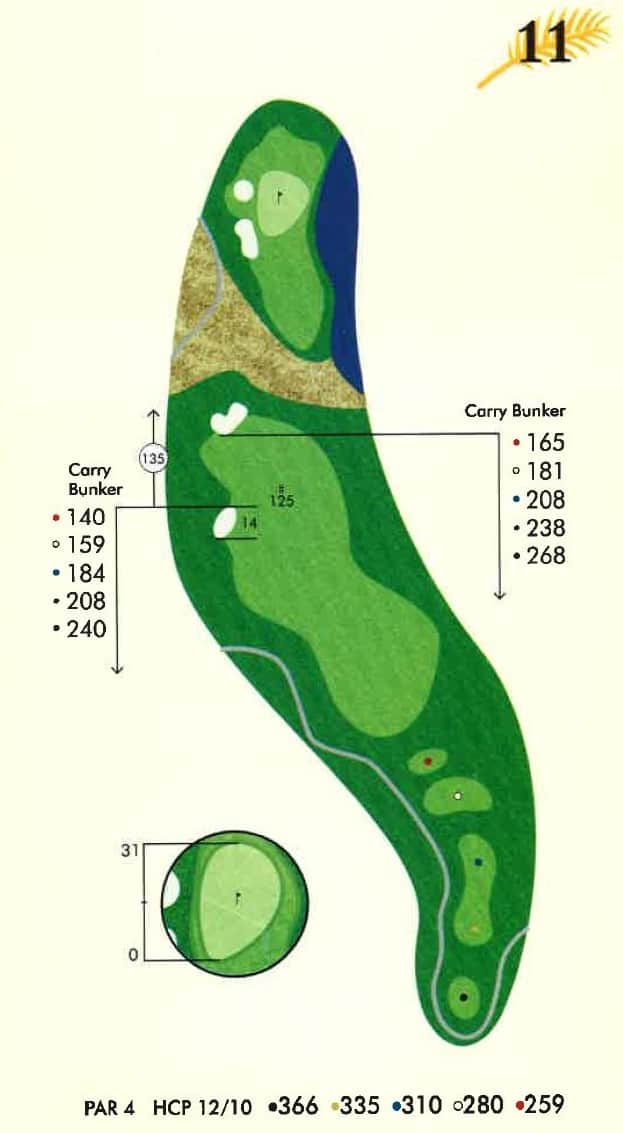
A fitness hole all the way plays around a wetland that bisects the fairway and defines the right side. A tree mass and bunkers define the required tee shot. The putting surface is tightly guarded by sand left and water right. The second shot must carry across the wetlands where the green is receptive and its contours steer shots away from the hazards.
Hole #12
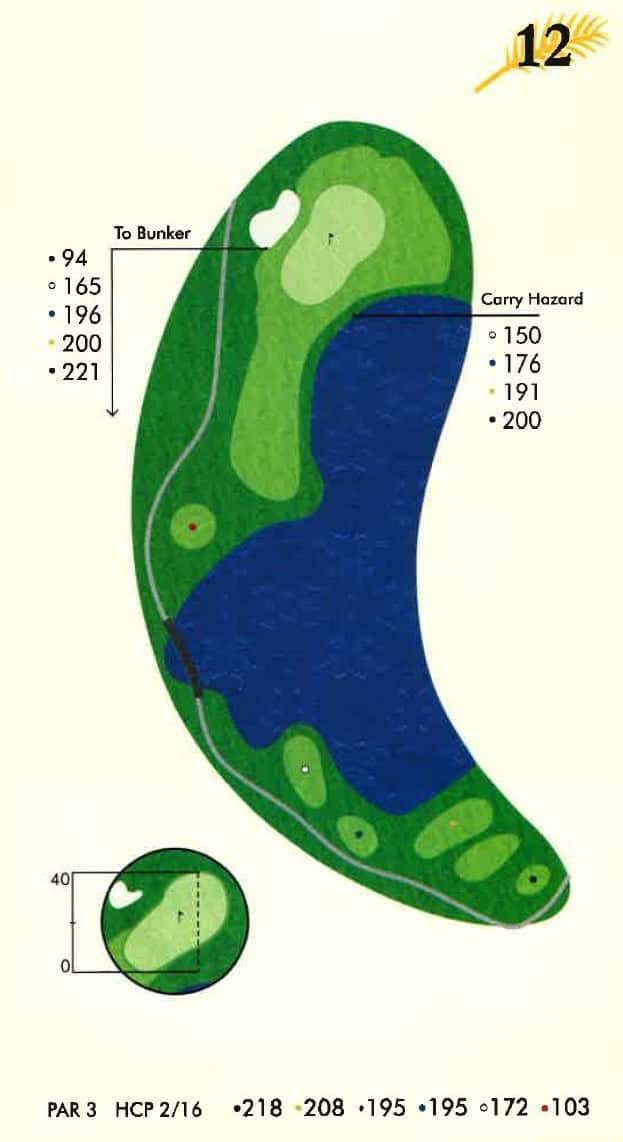
Placed amidst a tranquil setting of a reflecting lake, natural rock well and an amphitheater of trees, this hole may be a beast, rather than a beauty. The tee shot requires a carry over water to the green that is deceptively detached from the rock wall. The putting surface folds gently with the fairway entering left, front, and right. Par will be a good score here.
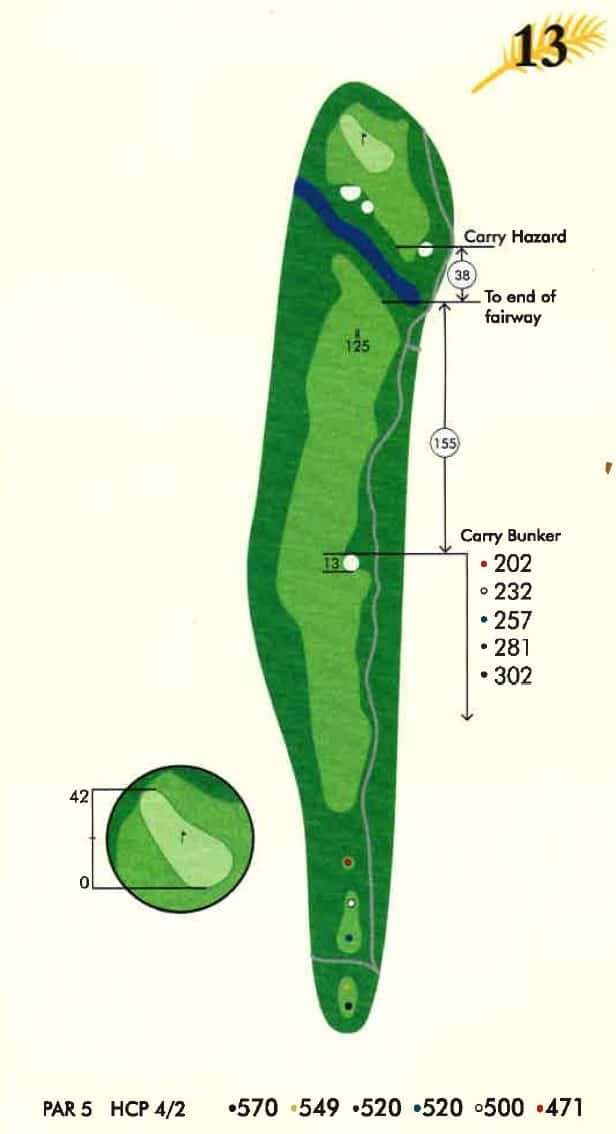
Hole #13
A wetland and tree mass left of the fairway, coupled with strong mounding and bunker on the right, set up the requirements for the most demanding tee shot on the course. The marshy vegetation runs the left side, while the diagonal stream cuts off the fairway just beyond the second landing area. Carry the stream and the cluster of bunkers and a possible eagle could be your reward. Lay up a longer iron to a green that sweeps right to left.
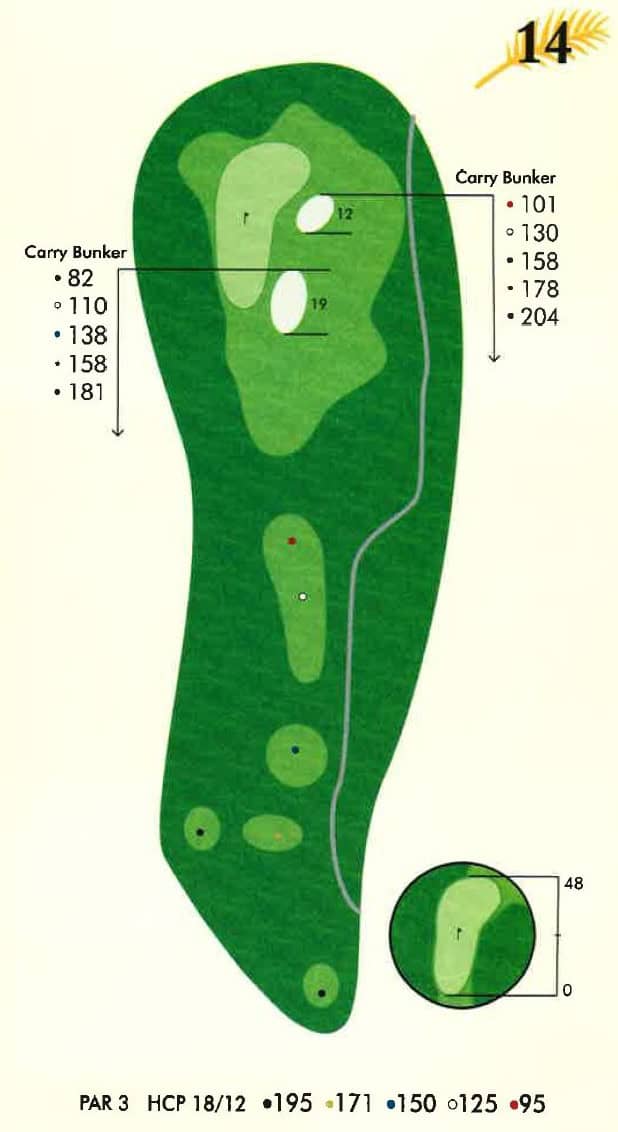
Hole #14
The menacing wetland continues on the left side of this picturesque hole. Strategically positioned bunkers on the right await shots off the mark to the right. The putting surface is slightly elevated from the fairway entry and collects shots to the back right. The shortest of the par 3 holes should yield some birdies.
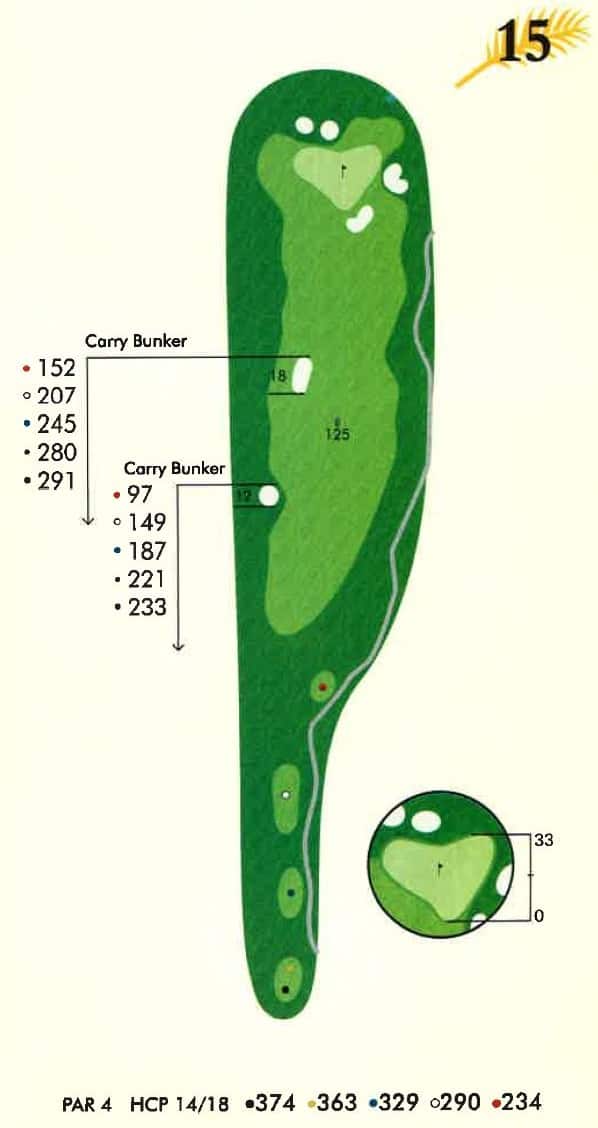
Hole #15
The prairie grasses and fescue-covered mounds border this generous fairway. Play right of the fairway bunkers on the left for the best angle to a rather large green. The fairway tilts and turns as it approaches the bunker guarding the right holes locations. A bump and run approach to the left portion of the green is a good play.
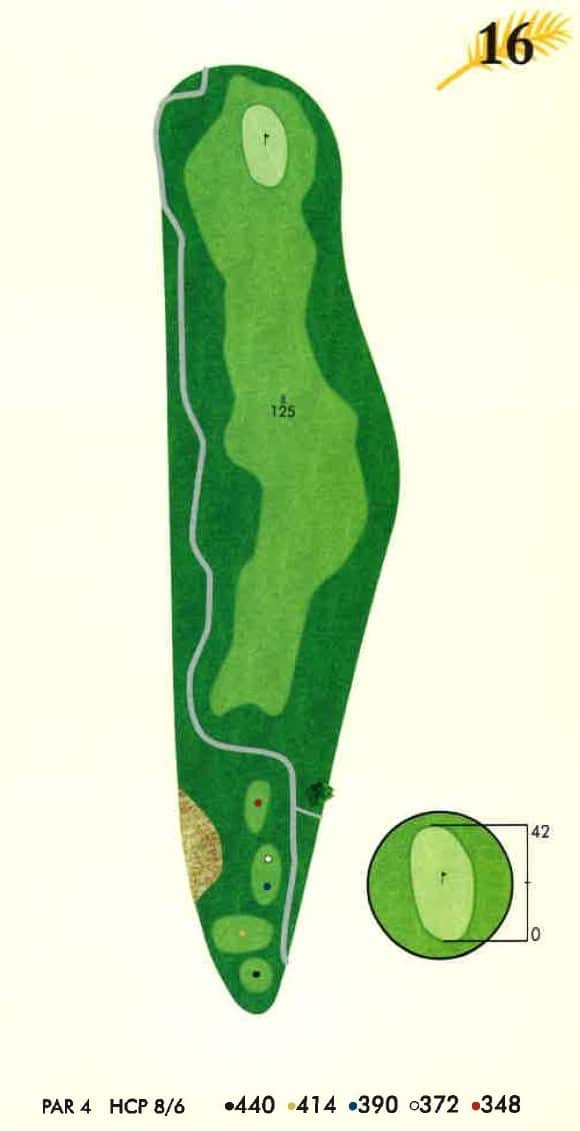
Hole #16
The longest par 4 on the course is without a bunker. The huge valley landing area collects balls to the center. The fairway narrows as it approaches the sloping green hunkered down from the wind amongst boldly contoured mounds and fescue areas. Two well struck, low trajectory shots are the correct play. The green is guarded with mounds left, while the fairway bleeds into all portions of the green.
Hole #17
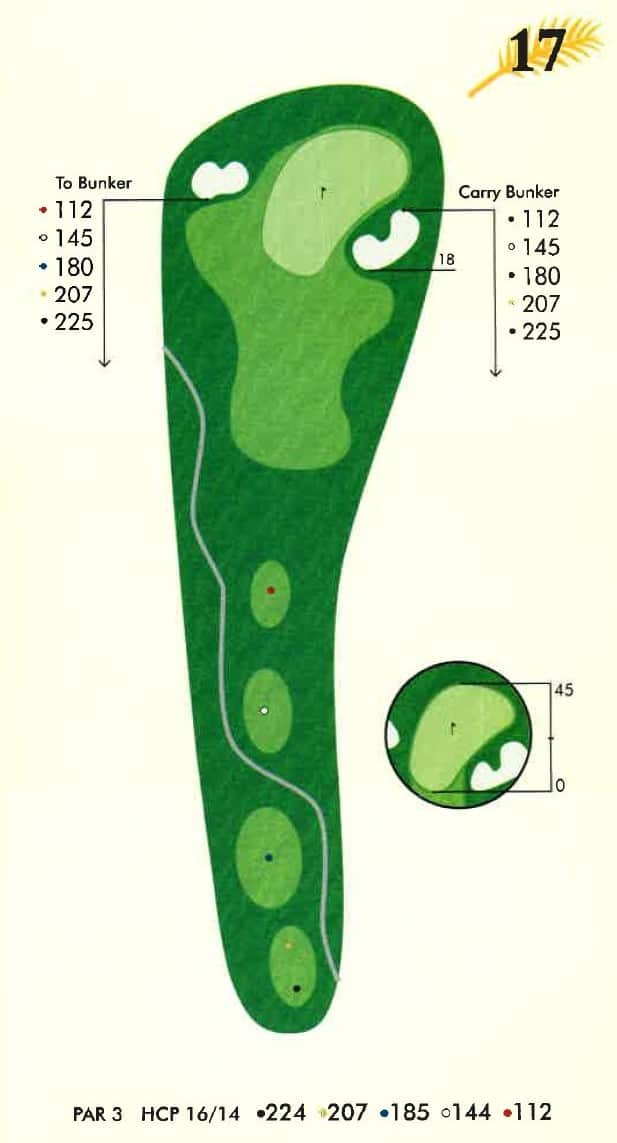
The longest short hole at Prairie Landing plays to the largest green on a plateau with deep bunkering and fescue covered slopes. The putting surface rocks and rolls, with many hole locations. Carry the ball to the hole location or read the approach contours to roll the ball close. Par will be good enough to win most wagers here.
Hole #18
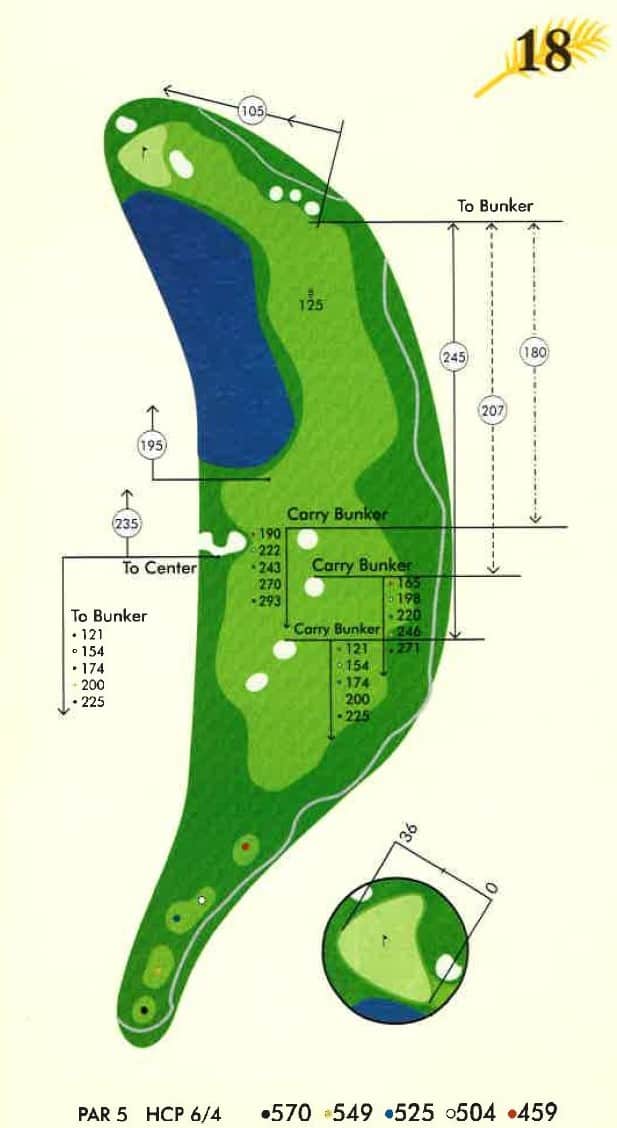
The home hole is a longish par 5 with options galore. A string of three bunkers are in the middle of the rambling fairway. The gamblers will hit left of the bunkers leaving a 235 yard carry over water for a potential eagle. A more conservative route is to play right of the central bunkers, then to the fairway right of the lake. A short iron shot remains to the green nestled amongst mounds. The fairway tips away from the water near the green as the putting surface, protected by the facing bunker, rises to a bowl on the back right.